A new Quordle puzzle appears at midnight each day for your time zone – which means that some people are always playing 'today's game' while others are playing 'yesterday's'. If you're looking for Friday's puzzle instead then click here: Quordle hints and answers for Friday, July 31 (game #1649).
Quordle was one of the original Wordle alternatives and is still going strong now more than 1,500 games later. It offers a genuine challenge, though, so read on if you need some Quordle hints today — or scroll down further for the answers.
Enjoy playing word games? You can also check out my NYT Connections today and NYT Strands today pages for hints and answers for those puzzles, while Marc's Wordle today column covers the original viral word game.
SPOILER WARNING: Information about Quordle today is below, so don't read on if you don't want to know the answers.
Quordle today (game #1650) — hint #1 — Vowels
How many different vowels are in Quordle today?
• The number of different vowels in Quordle today is 4*.
* Note that by vowel we mean the five standard vowels (A, E, I, O, U), not Y (which is sometimes counted as a vowel too).
Quordle today (game #1650) — hint #2 — repeated letters
Do any of today's Quordle answers contain repeated letters?
• The number of Quordle answers containing a repeated letter today is 1.
Quordle today (game #1650) — hint #3 — uncommon letters
Do the letters Q, Z, X or J appear in Quordle today?
• No. None of Q, Z, X or J appear among today's Quordle answers.
Quordle today (game #1650) — hint #4 — starting letters (1)
Do any of today's Quordle puzzles start with the same letter?
• The number of today's Quordle answers starting with the same letter is 0.
If you just want to know the answers at this stage, simply scroll down. If you're not ready yet then here's one more clue to make things a lot easier:
Quordle today (game #1650) — hint #5 — starting letters (2)
What letters do today's Quordle answers start with?
• O
• B
• S
• E
Right, the answers are below, so DO NOT SCROLL ANY FURTHER IF YOU DON'T WANT TO SEE THEM.
Quordle today (game #1650) — the answers
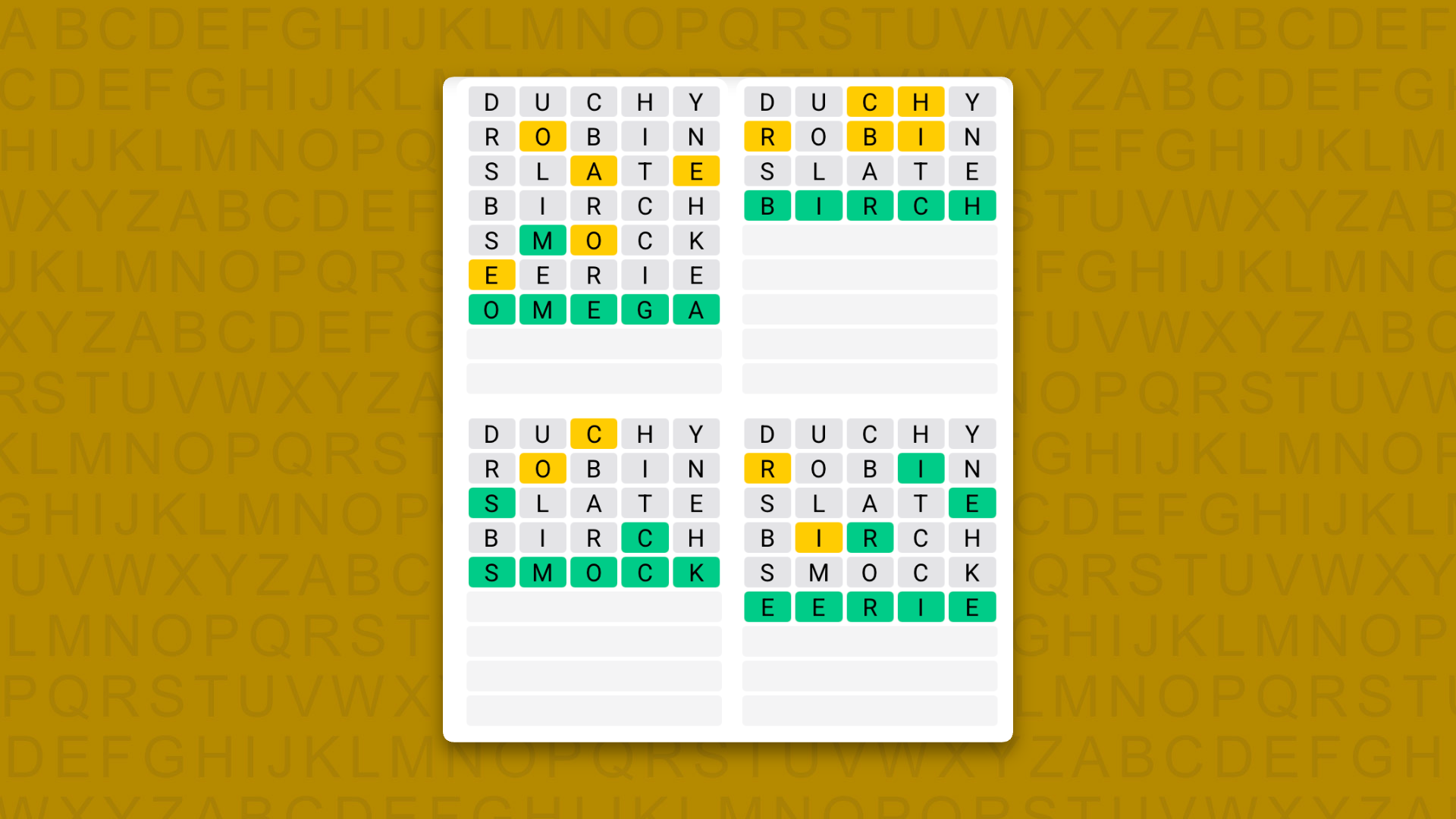
The answers to today's Quordle, game #1650, are…
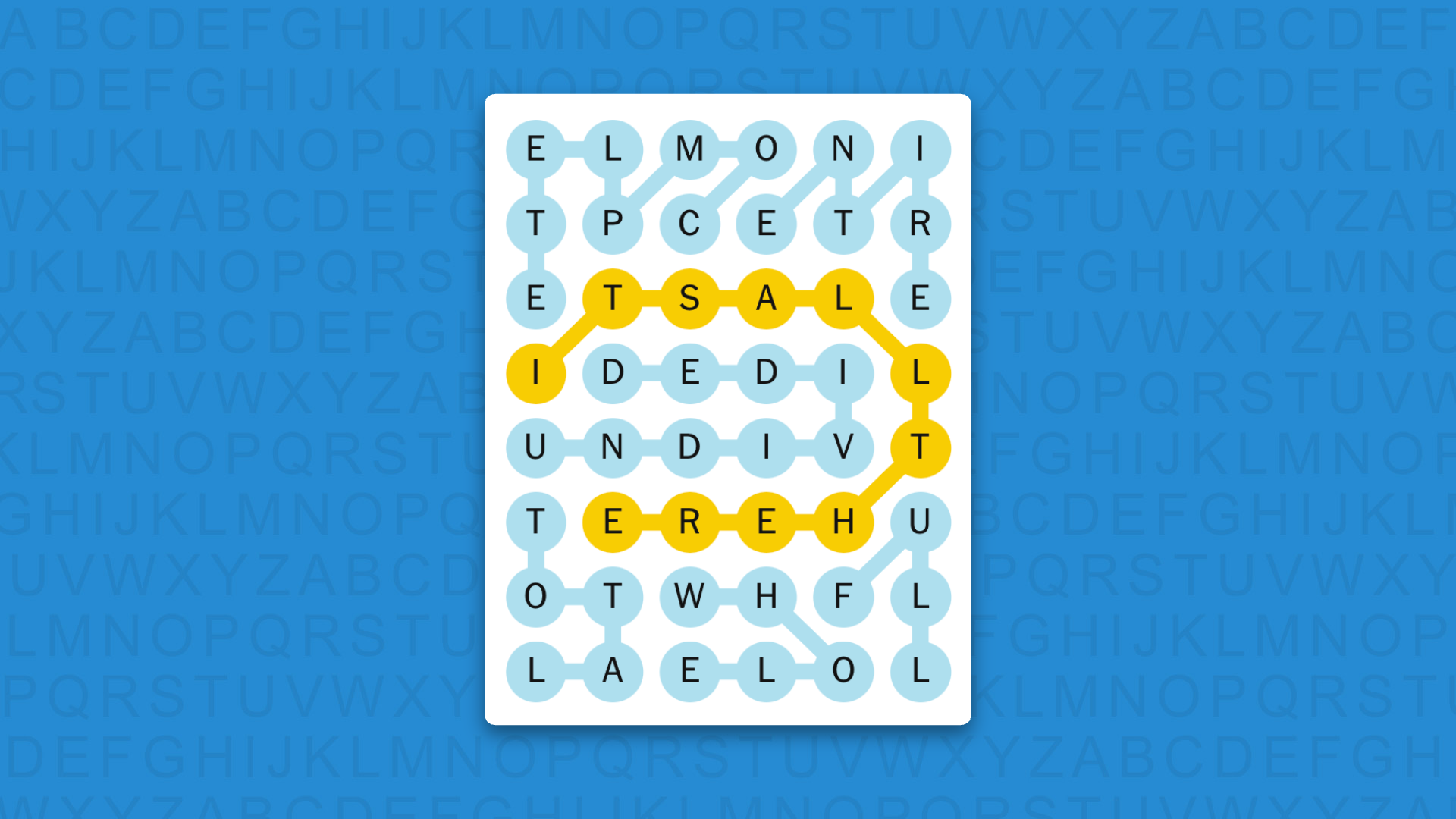
- OMEGA
- BIRCH
- SMOCK
- EERIE
There were a couple of really tricky words in this game.
Fortunately, I couldn’t think of anything that ended in R-I-E apart from EERIE and then after deciding the final word must begin O-M there was only one possible word it could be.
Daily Sequence today (game #1650) — the answers
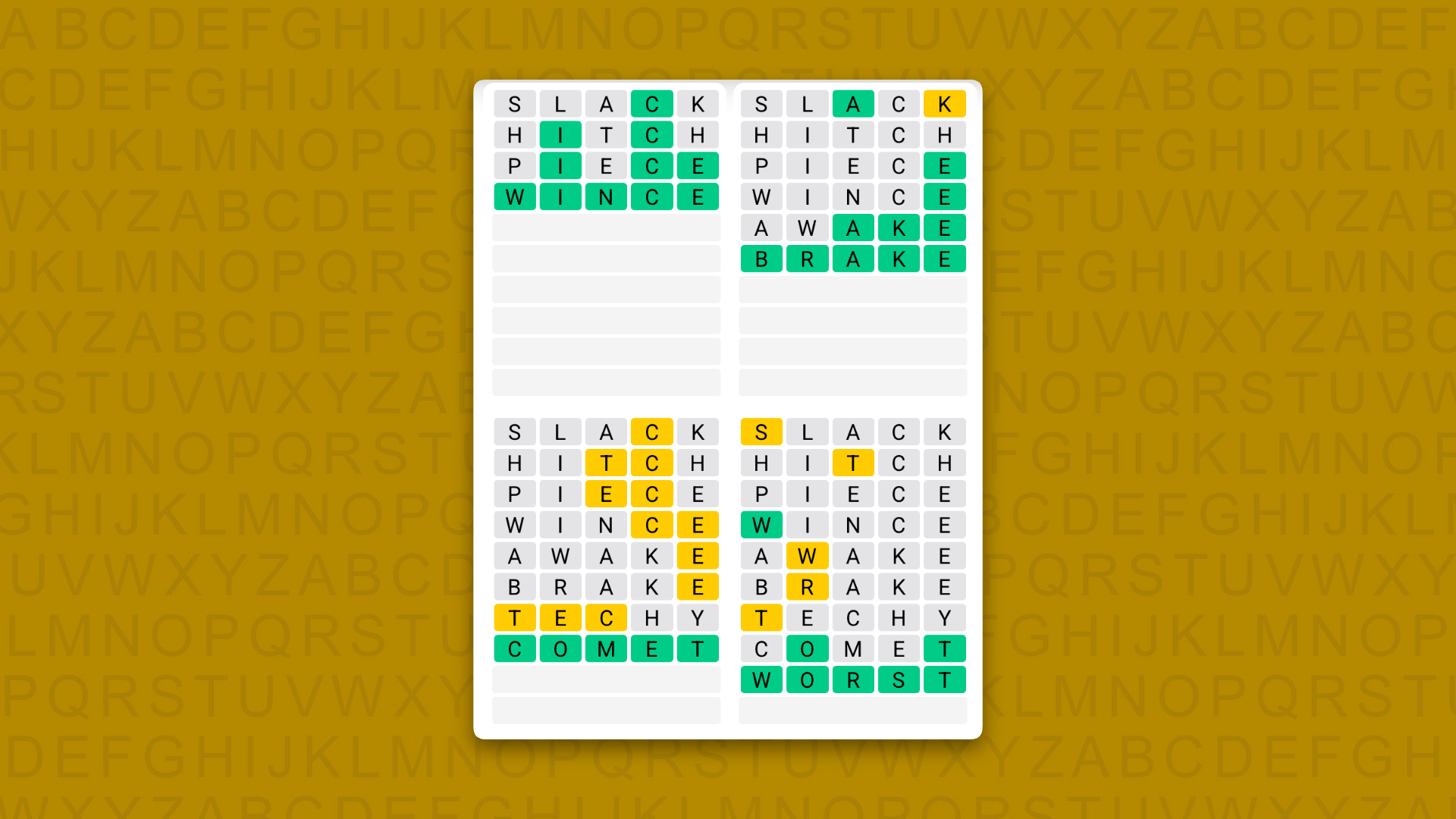
The answers to today's Quordle Daily Sequence, game #1650, are…
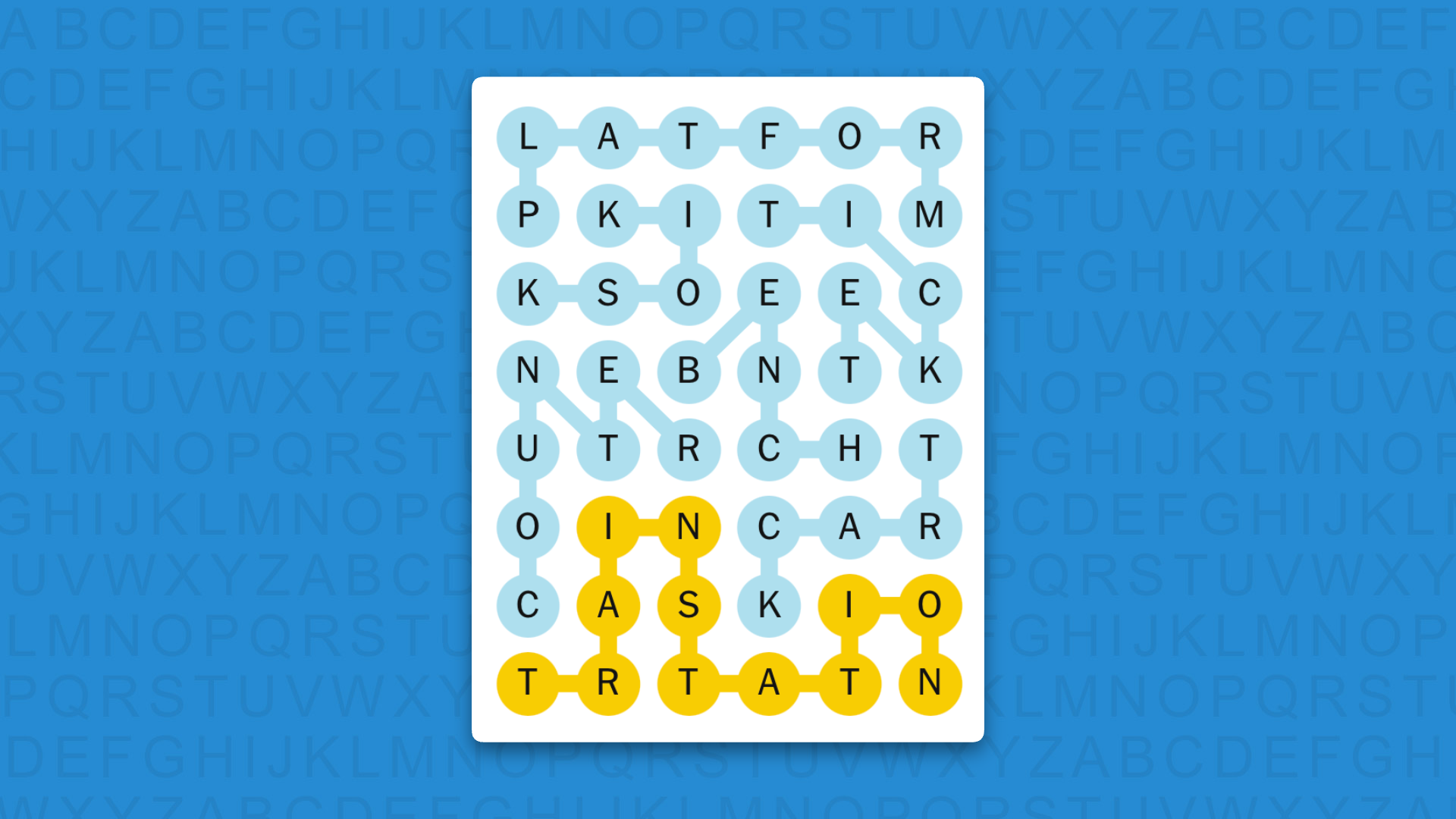
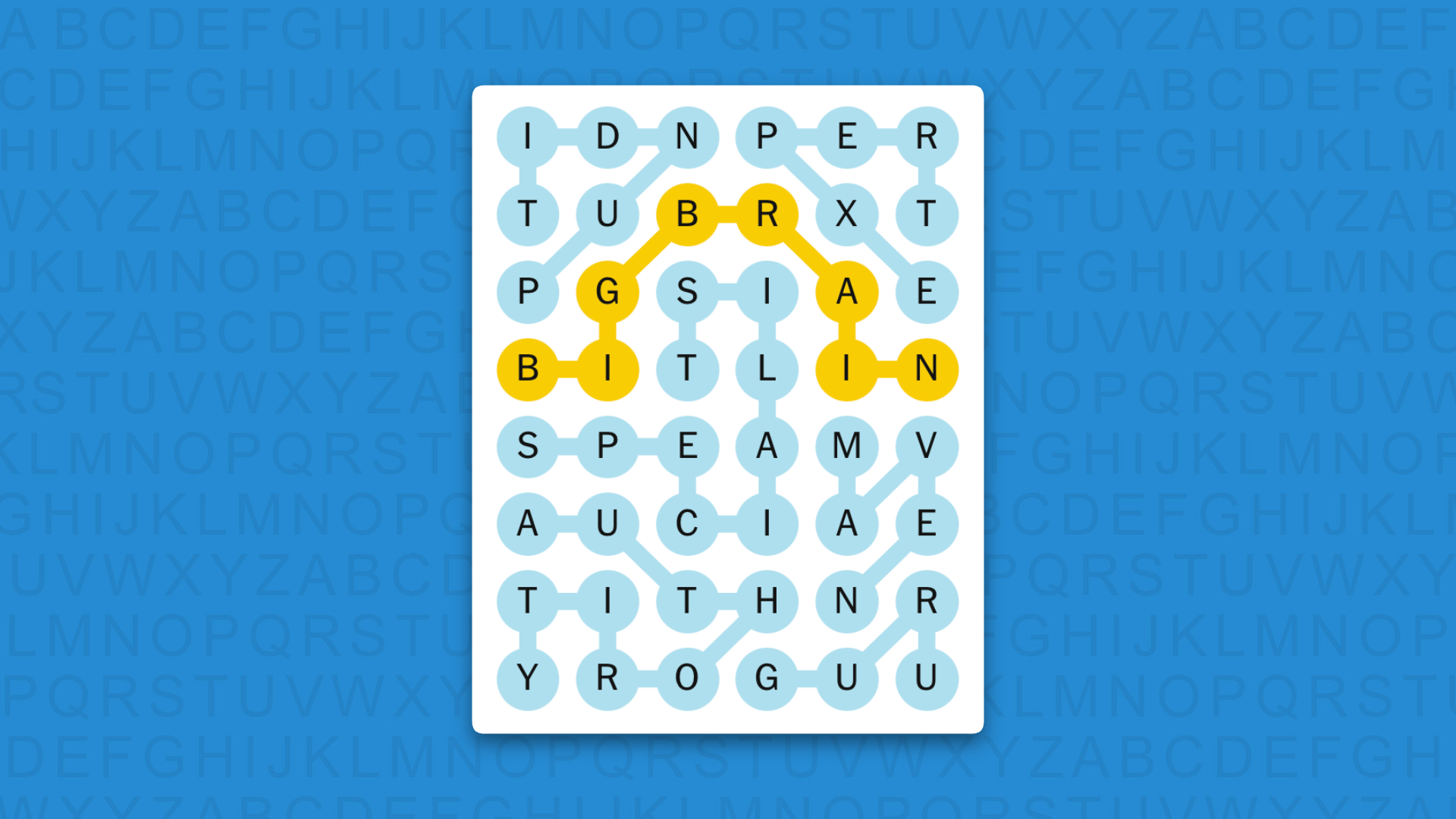
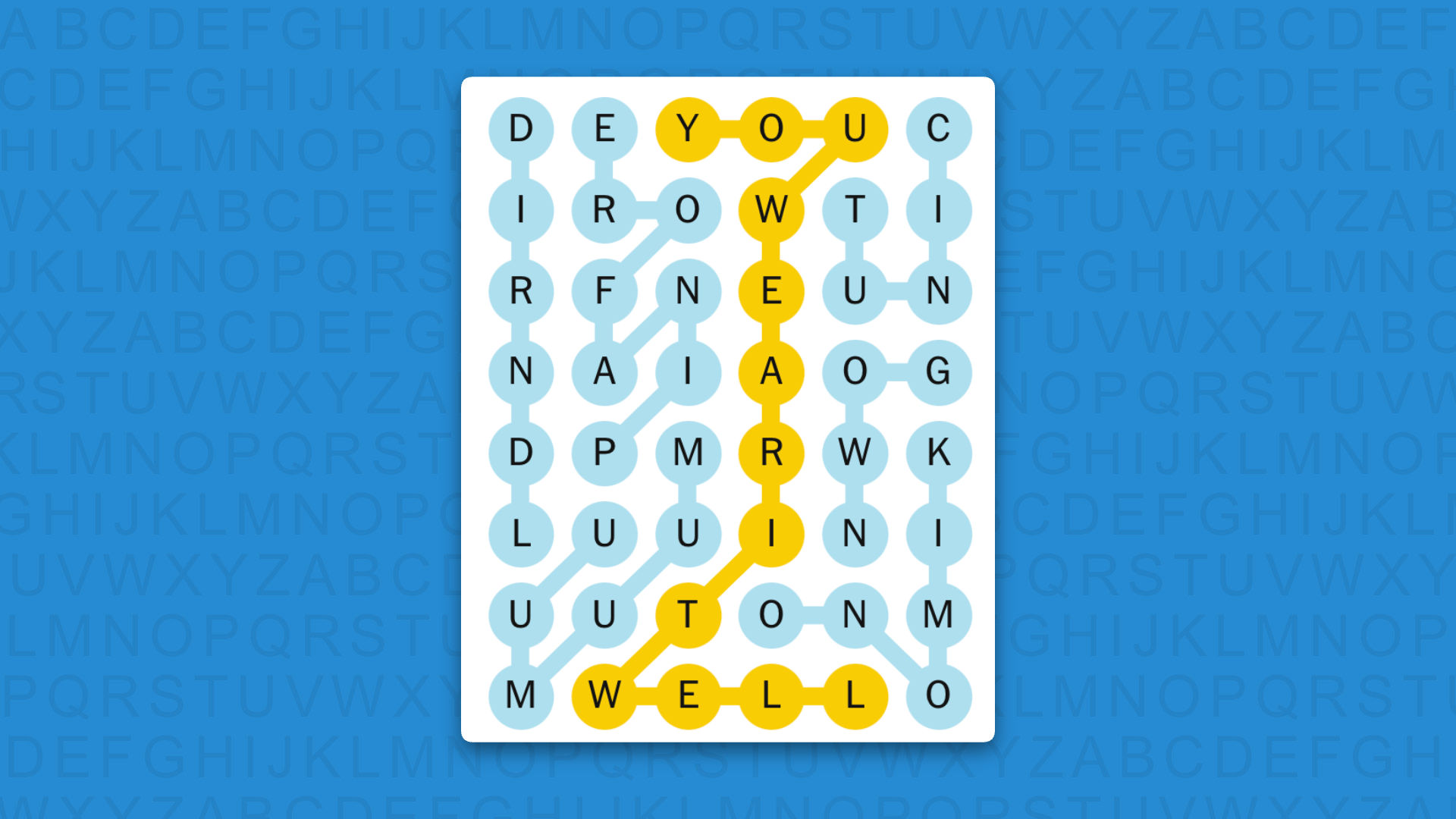
- WINCE
- BRAKE
- COMET
- WORST
Quordle answers: The past 20
- Quordle #1649, Friday, 31 July: MANIA, SINGE, STOOL, LOFTY
- Quordle #1648, Thursday, 30 July: MODAL, IDLER, CHUMP, LUMPY
- Quordle #1647, Wednesday, 29 July: GAWKY, ALLOY, AUDIT, LATCH
- Quordle #1646, Tuesday, 28 July: SMITE, ROACH, RUDDY, GLOBE
- Quordle #1645, Monday, 27 July: TAFFY, FIGHT, GUILD, WAGER
- Quordle #1644, Sunday, 26 July: STOMP, LIMIT, FUNKY, STEAD
- Quordle #1643, Saturday, 25 July: SALON, SHEEN, BURST, GOURD
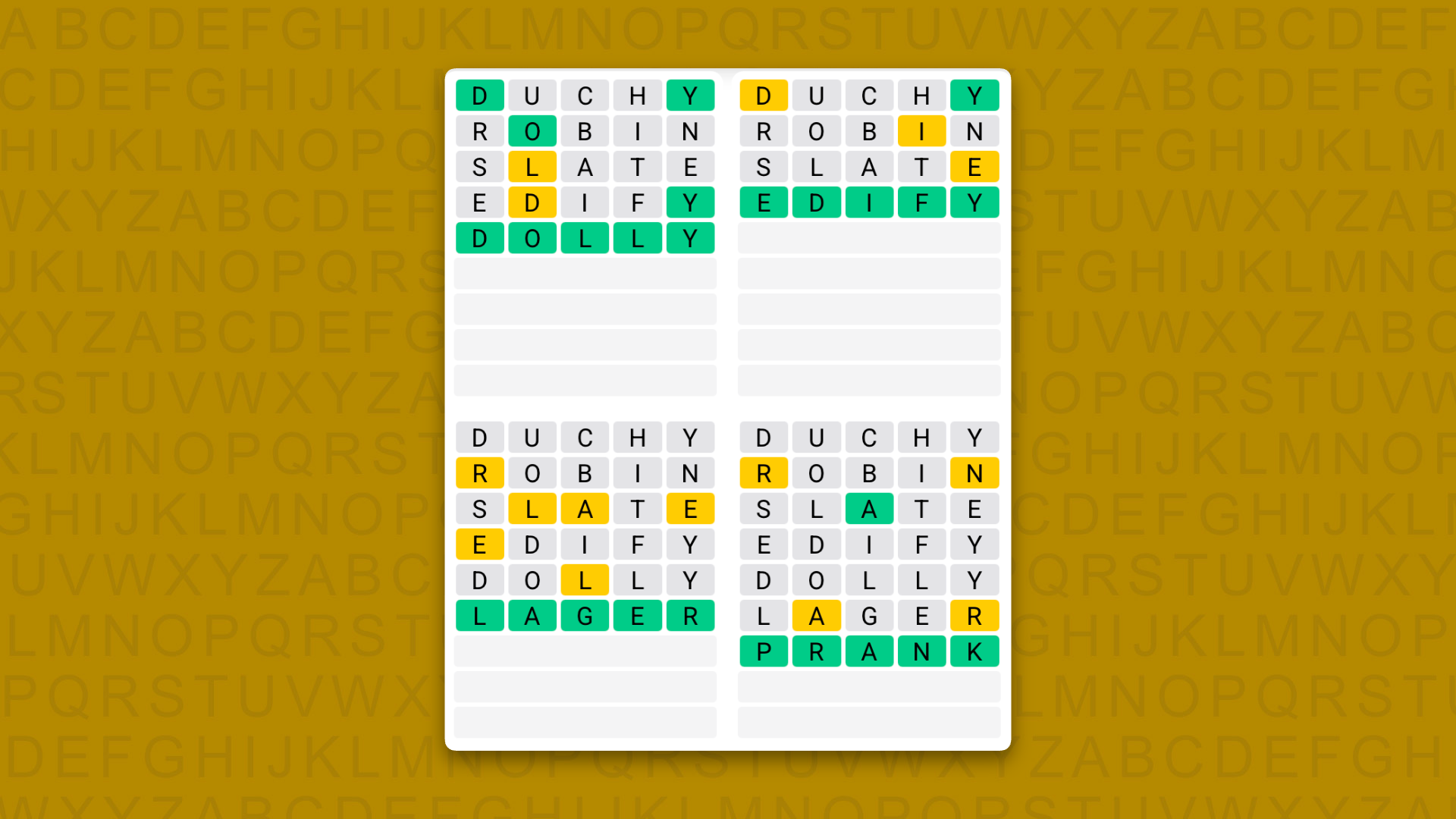
- Quordle #1642, Friday, 24 July: DOLLY, EDIFY, LAGER, PRANK
- Quordle #1641, Thursday, 23 July: LADEN, EVICT, WOVEN, SHIRE
- Quordle #1640, Wednesday, 22 July: COYLY, SINGE, AWASH, AWOKE
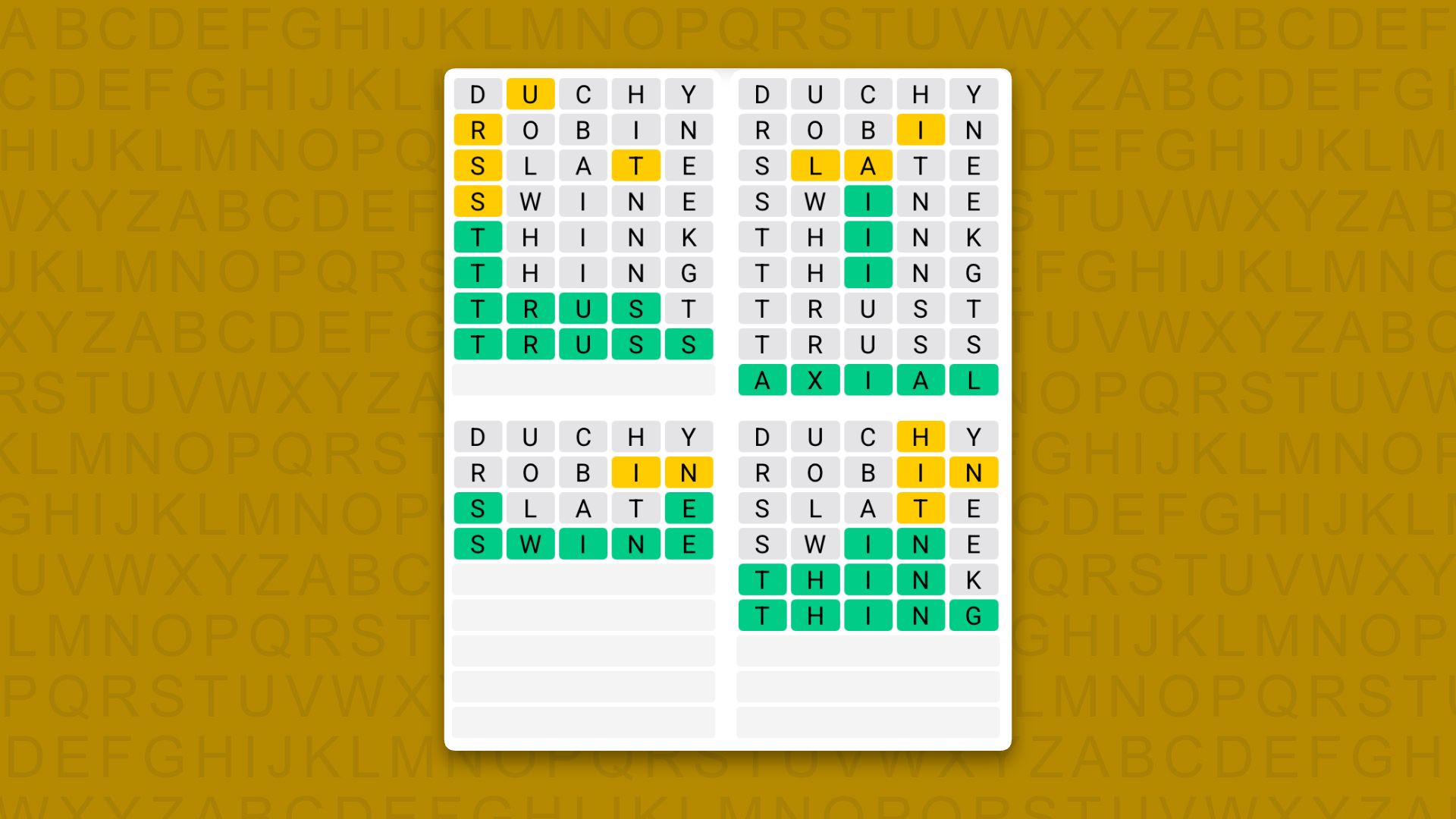
- Quordle #1639, Tuesday, 21 July: TRUSS, AXIAL, SWINE, THING
- Quordle #1638, Monday, 20 July: ICING, SLICK, GAILY, RISEN
- Quordle #1637, Sunday, 19 July: SPURT, ACRID, THRUM, BLEEP
- Quordle #1636, Saturday, 18 July: KNAVE, TIGHT, BLEAT, CHAOS
- Quordle #1635, Friday, 17 July: CUMIN, PALER, GRASS, INBOX
- Quordle #1634, Thursday, 16 July: IGLOO, PLAIT, YEAST, AROMA
- Quordle #1633, Wednesday, 15 July: PROXY, BRICK, BROTH, SURGE
- Quordle #1632, Tuesday, 14 July: EBONY, AVOID, RODEO, CUTIE
- Quordle #1631, Monday, 13 July: VOICE, BISON, BURNT, BUILT
- Quordle #1630, Sunday, 12 July: STAIN, BINGO, LARVA, DICEY